
Author: Michael Shearwood
-
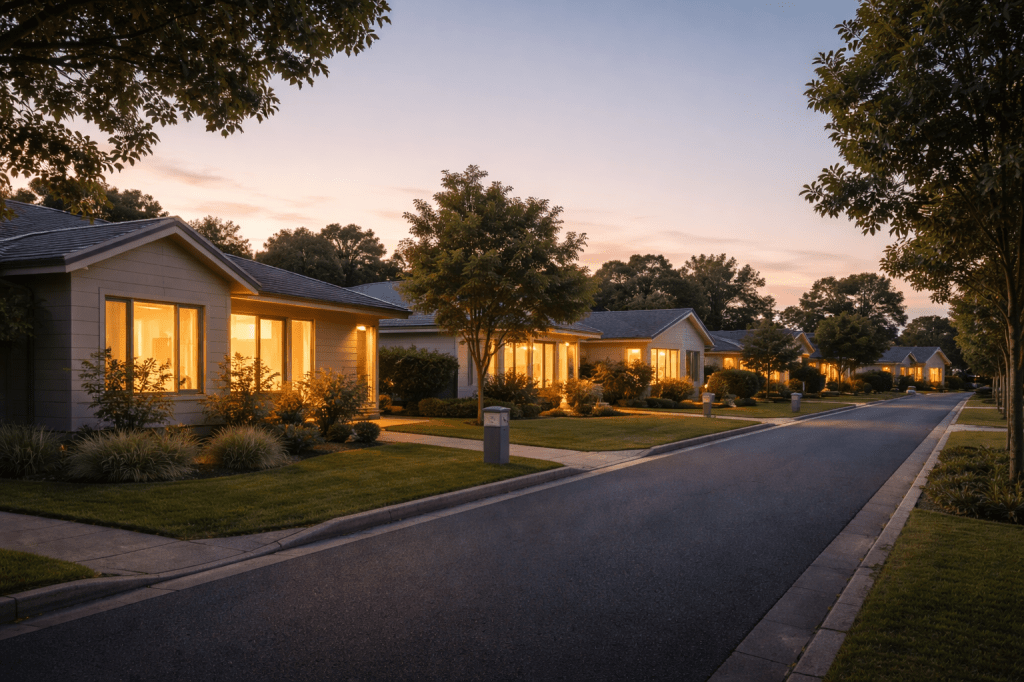
Resilient Buildings – What Actually Matters
Modern infrastructure is highly reliable. Resilience is not about expecting failure, but about how homes perform when conditions place those systems under pressure.
-
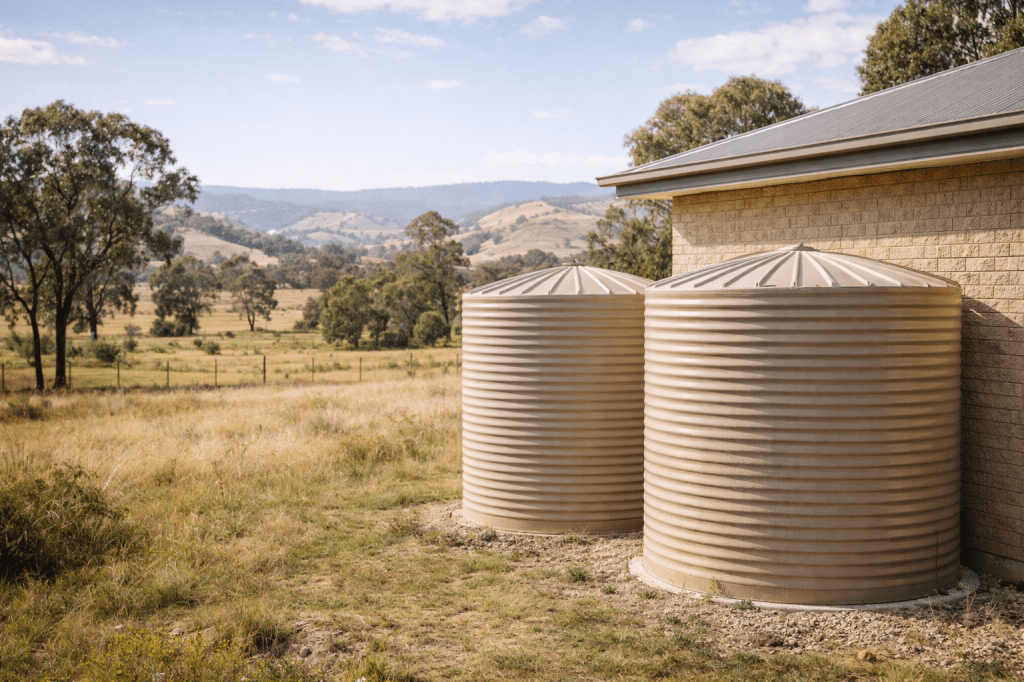
Resilient Buildings – When the Water Stops
Rainwater tanks are now common in South Australian homes, introduced to help manage drought and reduce demand on mains water. But when rainfall stops and power is disrupted, how much resilience do these systems actually provide?
-
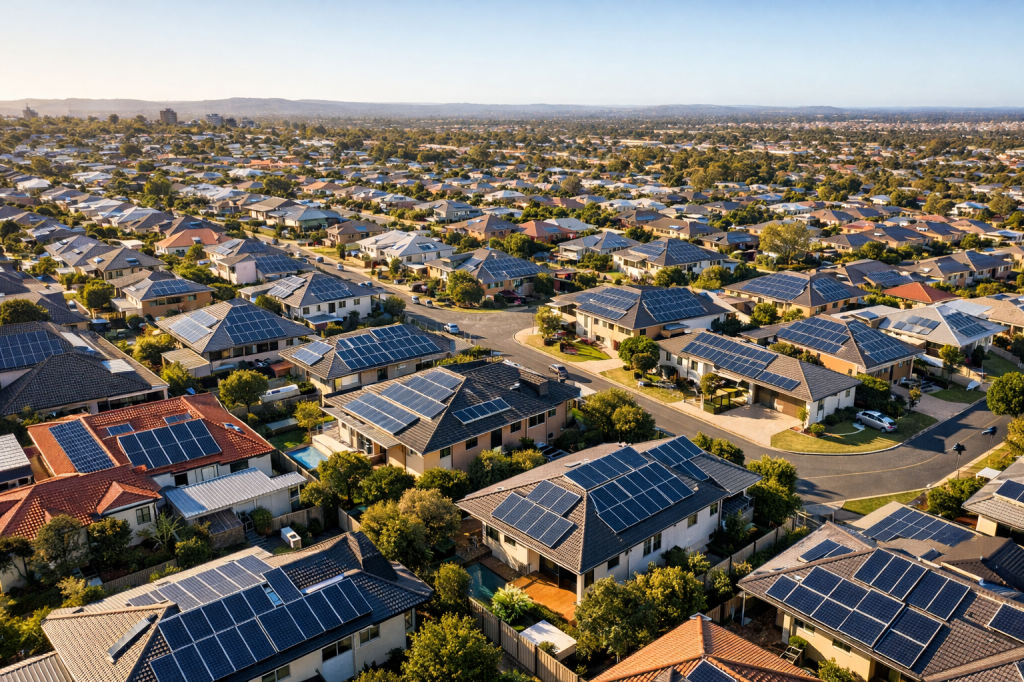
Resilient Buildings — Why Solar isn’t Enough
Rooftop solar reduces bills and emissions — but it doesn’t guarantee power during outages. That’s not a fault. It’s how the system was designed. In a hotter, less predictable climate, that design may need to change.
-
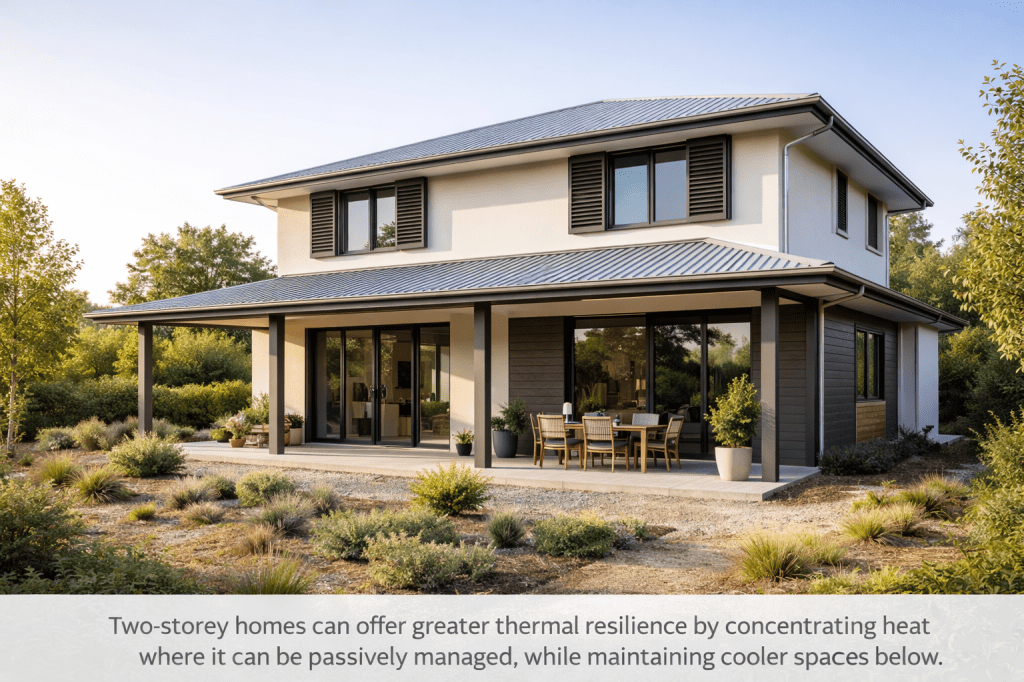
Resilient Buildings — Getting New Homes Right from the Start
Most of the homes we will live in over the next 50 to 100 years have yet to be built. In a changing climate, the design decisions made today will determine whether those homes remain comfortable and habitable, or increasingly reliant on energy and mechanical systems. Meeting current building codes is no longer enough when…
-
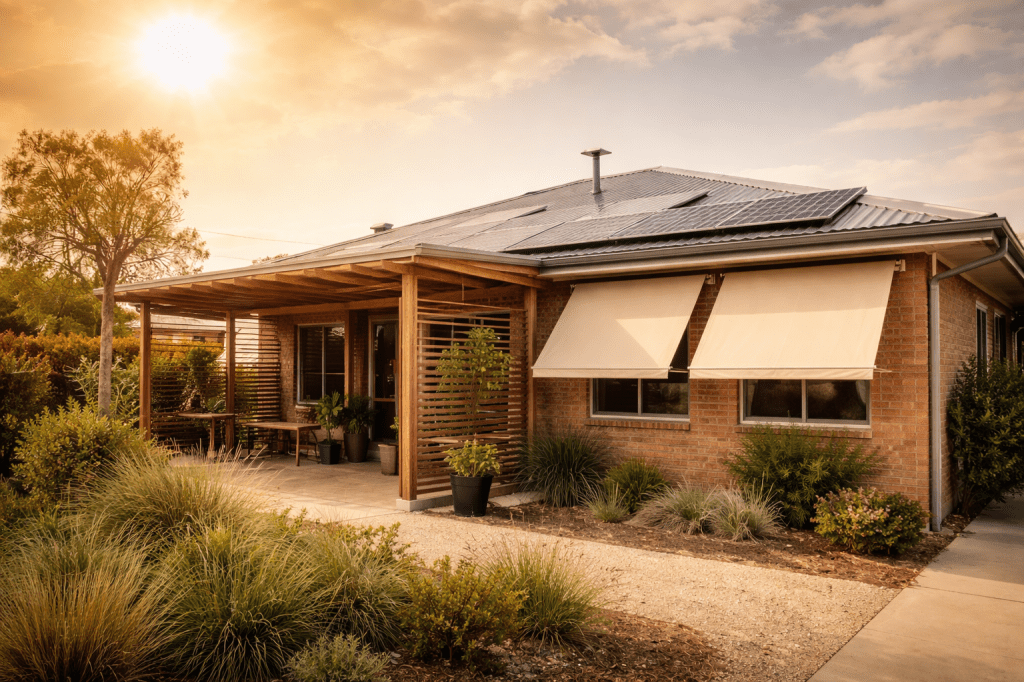
Resilient Buildings — Retrofitting for a Hotter, More Fragile World
Retrofitting existing homes for extreme heat is about habitability, not comfort — and reducing the impact of conditions we can no longer assume away.
-
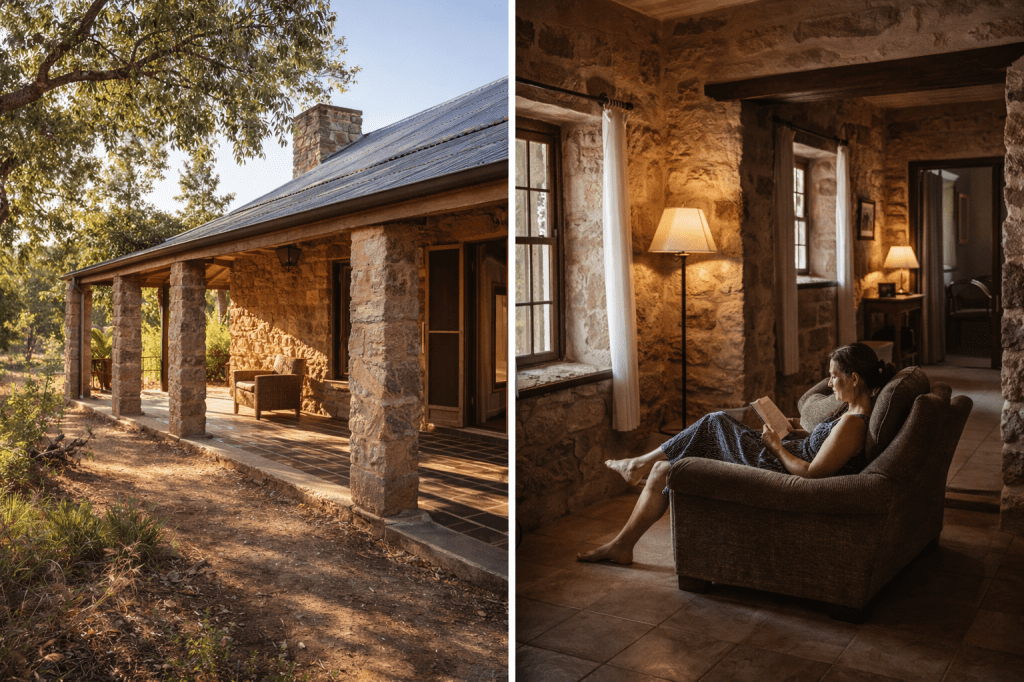
Resilient Buildings – Passive Survivability
Passive survivability is about keeping buildings habitable during extreme heat and coincident power outages. By relying on form, shading, mass and ventilation, buildings can protect occupants even when mechanical systems are unavailable.
-

Resilient Buildings – Designing for Changing Conditions
As climate conditions change and services become less reliable, buildings must remain habitable even when assumptions fail. Resilience is not about technology alone, but about design decisions that protect people when conditions shift.
-
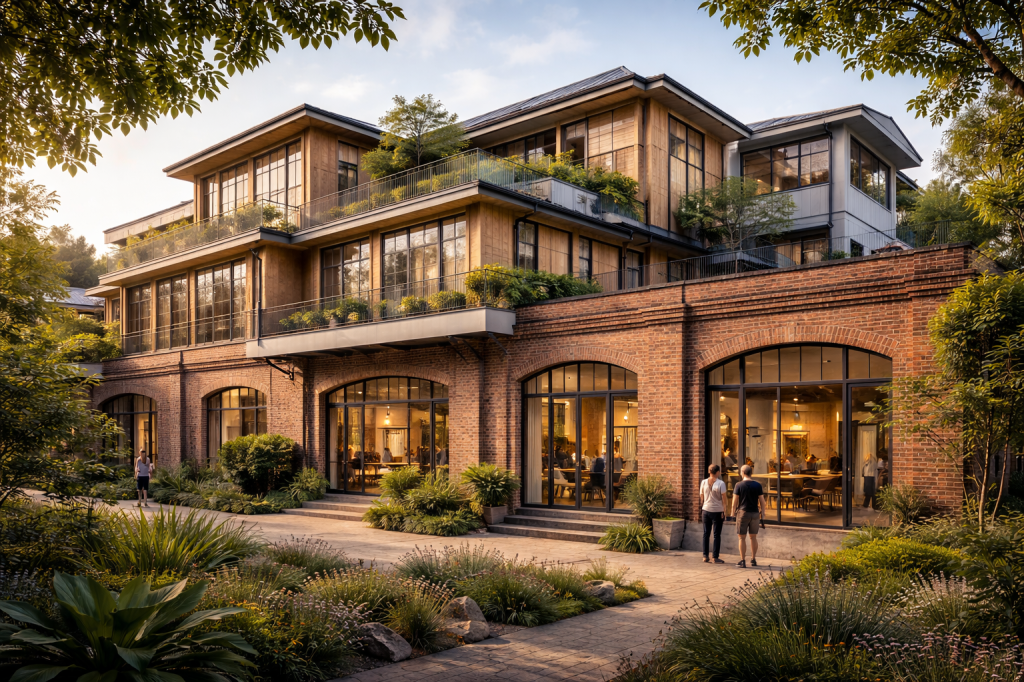
The Built Environment – Adaptability Over Time.
Buildings that can adapt over time remain useful as climates, technologies and needs change. Designing for adaptability is one of the most effective ways to extend building life and reduce the cost of replacement.
-
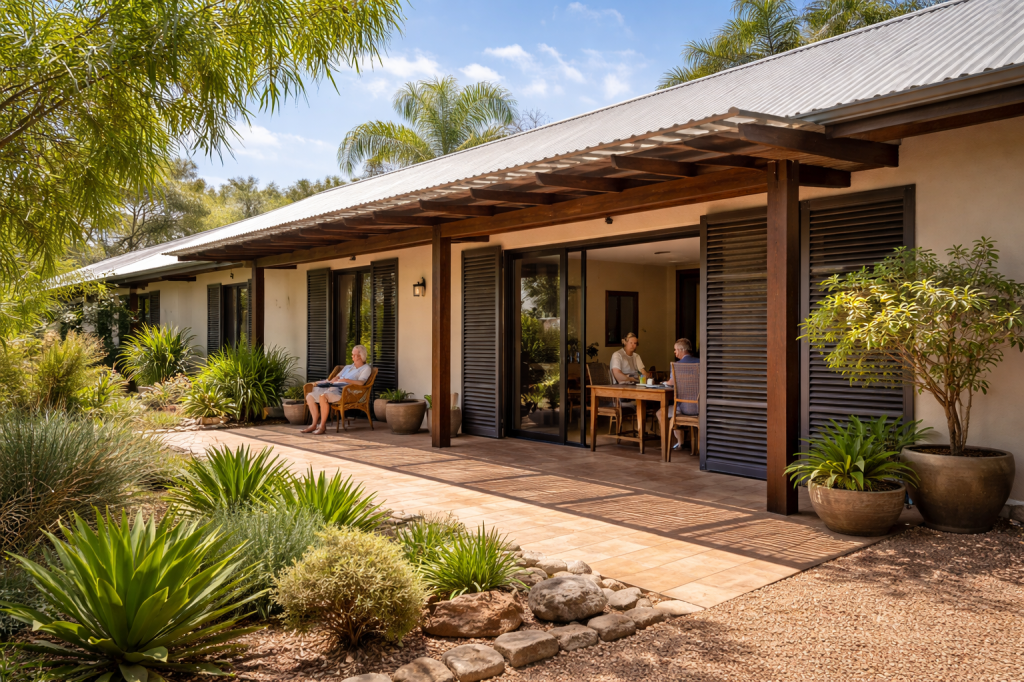
The Built Environment – Thermal Performance Before Systems
When people talk about comfort in buildings, the discussion often turns quickly to air-conditioning, heating systems and smart controls. These systems matter — but they are not where comfort begins, and they are rarely where resilience is built. Thermal performance is shaped first by design and construction. Insulation, glazing, shading, airtightness and thermal mass determine…
-
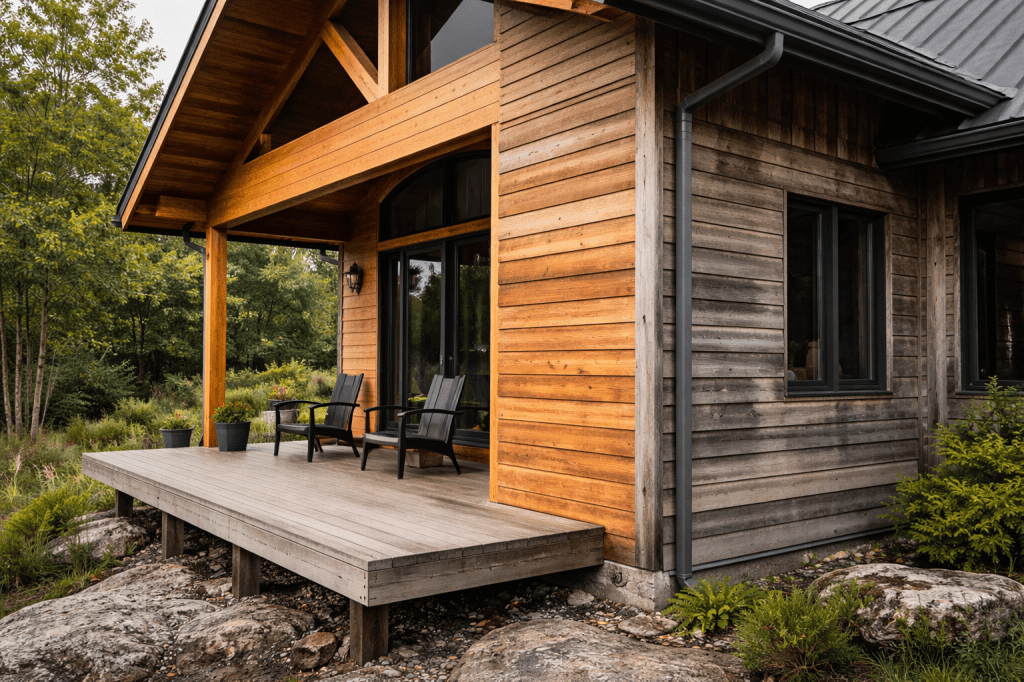
The Built Environment – Materials That Last.
Material choices shape how buildings age, endure and adapt. In a changing climate, durability, maintenance and lifecycle performance matter just as much as embodied energy.

