
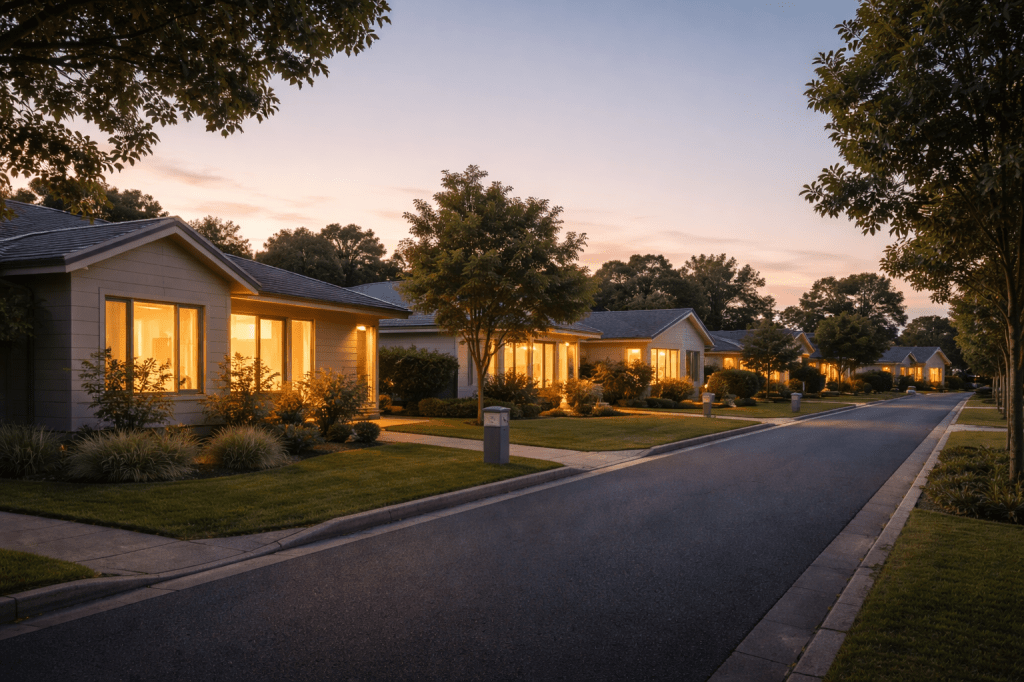
Modern homes are supported by systems that work remarkably well. Electricity networks are reliable, and water systems are engineered with redundancy and backup. Most of the time, these services operate without interruption, and when issues occur they are usually local and temporary.
Resilience is not about expecting these systems to fail. It is about understanding how homes perform when they are under pressure — during periods of extreme heat, high demand, or reduced supply. In those moments, small design decisions make a difference. Buildings that limit heat gain, systems that allow some flexibility in water use, and a reduced reliance on any single service all contribute to how well a home continues to function.
Resilience is not about eliminating risk. It is about ensuring that when conditions become more difficult, homes remain practical and manageable places to live.
 The Pieces Fit - homepage
Leave a comment