
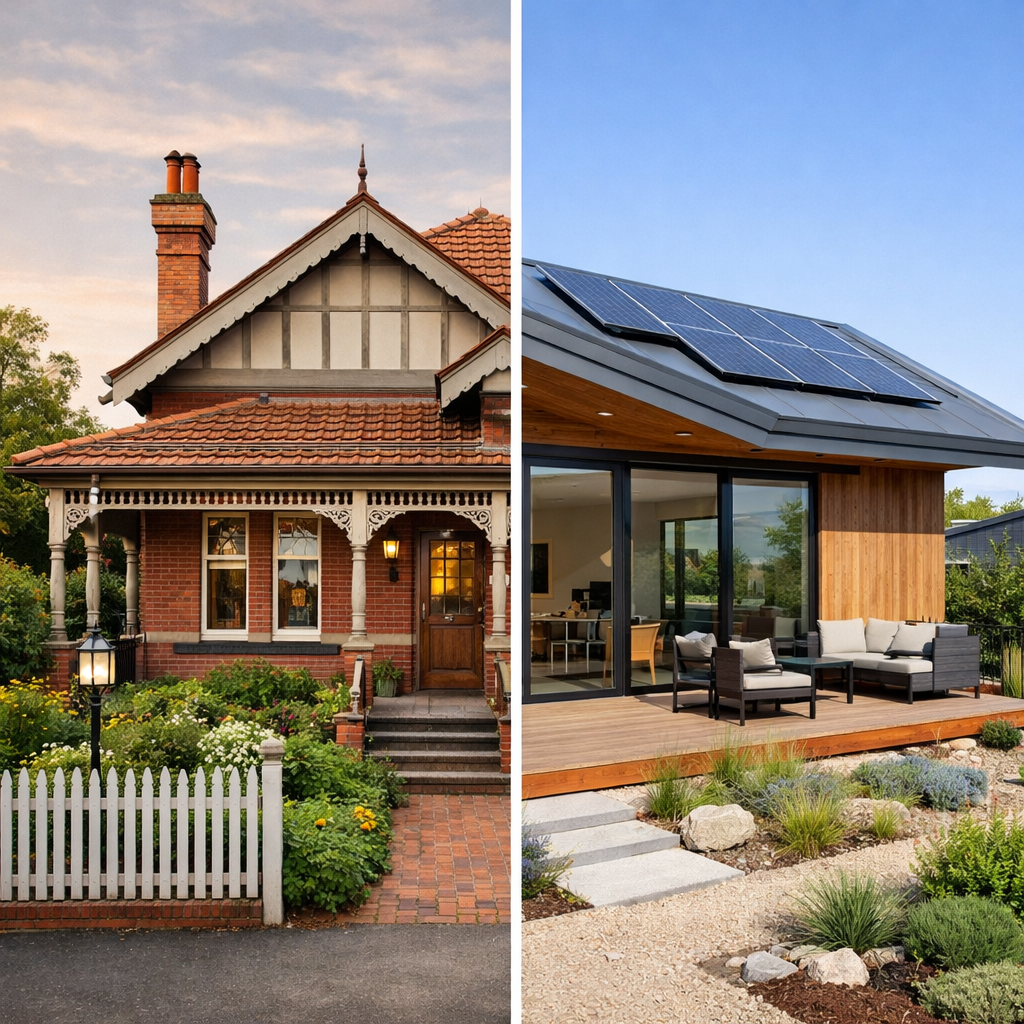
Part of the series: The Built Environment – Designing for a Changing Climate
Throughout my career in project management, I’ve been involved in the design and construction of buildings that reveal, over time, the consequences of early decisions — both good and bad. You see quickly that once a building is complete, many choices are locked in for decades. That perspective informs this series, which looks at how a changing climate needs to be reflected in how we design and build for the next hundred years.
Much of the discussion about climate change focuses on energy — how it is produced, how it is consumed, and how we might reduce our reliance on fossil fuels. That matters. But energy is only part of the story.
In the built environment, energy use is largely a consequence of design. Long before a building is occupied, decisions about form, function, materials and performance lock in how much energy it will consume, how comfortable it will be, and how well it copes with stress. Once built in, those decisions last for the life of the building — often 50 years or more, and for well-designed structures, closer to a century — which makes adaptability over time just as important as performance on day one.
This matters because the climate buildings will experience over their lifetime will not be the climate they were originally designed for. Yet most buildings continue to be designed to meet today’s codes and standards, which are largely based on historical climate data and minimum compliance rather than future conditions. In many countries, including Australia, requirements for thermal performance, glazing, insulation and water resilience still fall short of what will be needed as temperatures rise, heatwaves intensify, rainfall becomes more variable, and droughts become more common. Fire risk, too, is increasingly relevant — not just at the urban fringe, but in areas previously considered low risk.
Adaptation cannot be treated as something added later. Retrofitting resilience is almost always harder, more expensive and less effective than designing for it from the outset. The built environment is where climate risk either accumulates quietly over time or is deliberately managed through thoughtful planning and design.
This series looks at where the real leverage sits.
Not in slogans or technology promises, but in practical design decisions: how buildings are shaped and oriented; how they function; what they are made from; how they manage heat, water and fire; and whether they can adapt as conditions change. Energy remains central — but here it becomes an outcome of design, not the primary driver.
Five elements frame this discussion:
- design decisions made early, when they matter most
- form, orientation, massing and function
- material selection, including durability and lifecycle impacts
- thermal performance, comfort and health
- adaptability over time, allowing buildings to change as conditions and uses evolve
Together, these elements determine whether buildings remain fit for purpose in a changing climate, or slowly become liabilities.
This is not a call to abandon proven materials or established construction methods, nor a search for perfect solutions. It is about designing and building with foresight — acknowledging that the climate is already changing, and that the built environment must change with it.
My next post looks at where the greatest leverage sits: form, orientation, massing and function — and why getting these right matters more than any system added later.
 The Pieces Fit - homepage
Leave a comment