
“Not everything can change at once — but some things can change now.”
If a managed reduction of fossil-fuel use is the goal, the first task is prioritisation. Not all uses of fossil fuels are equal, and treating them as though they are only slows progress. Some uses can be reduced now with existing technology; others will take longer and require sustained investment and innovation.
The most obvious starting point is where fossil fuels are still being burned for purposes that already have viable alternatives.
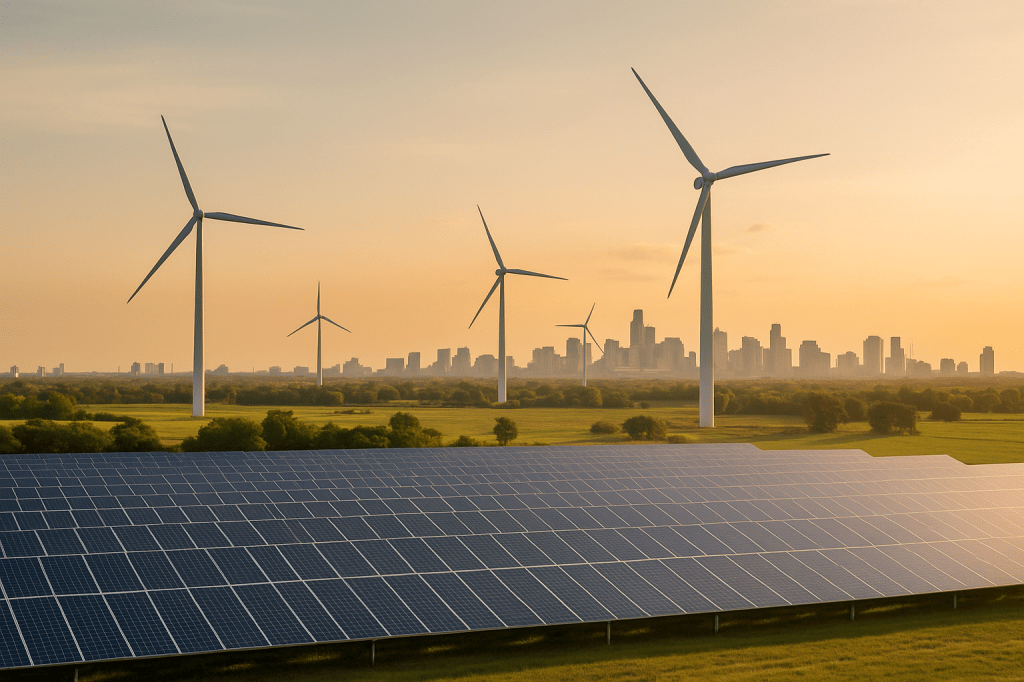
Electricity generation is one of them. In many countries, renewable energy combined with storage and grid upgrades can replace fossil-fuel power at scale. The constraint here is no longer technology, but planning, investment and regulatory alignment. Places like South Australia demonstrate what is already possible when these elements come together.
Passenger transport is another clear priority, particularly in cities. The majority of private vehicle trips occur within urban boundaries, where fossil-fuel exhaust is most concentrated and most noticeable — on streets, in homes and in the air people breathe every day. This pollution affects health, buildings and public spaces in ways people experience directly.
Reducing fossil-fuel use in urban transport delivers immediate improvements in air quality. Full electric vehicles — and, in the near term, hybrids — can significantly cut local pollution when combined with public transport and active travel. This is not about eliminating cars, but about reducing the volume of petrol and diesel burned where the impacts are greatest.
Electric vehicles are not without cost. Battery production has a significant environmental footprint, from mineral extraction to manufacturing and end-of-life processing. These impacts are often overlooked. But they differ fundamentally from ongoing exhaust emissions in dense cities, and they can be reduced over time through recycling, improved chemistry and cleaner supply chains.
In many parts of the world, building heating and low-grade industrial heat remain heavily reliant on gas and oil and are clear candidates for early reduction. Electrification, heat pumps and district energy systems can displace large volumes of gas and oil, particularly as buildings are upgraded or newly constructed over the coming decade.
Other uses are more complex. Heavy industry, long-distance shipping and aviation still rely heavily on high-energy-density fuels. Alternatives are emerging, but they are not yet scalable or affordable enough for rapid replacement. A fossil-smart approach recognises this reality and avoids pretending otherwise.
Oil itself is not going to disappear as it remains essential for pharmaceuticals, medical equipment, plastics, lubricants and advanced materials. The goal is not elimination, but to reduce unnecessary combustion so essential uses can continue while alternatives mature.
A managed reduction works only if it starts where change is already possible. The task ahead is practical, not ideological: deciding what to reduce first, what can follow, and what will take time.
Next post:
A Fossil-Smart Future: What’s Harder to Replace — and Why — looking at the sectors where reducing fossil-fuel use will take longer, and what that means for the pace of transition.
 The Pieces Fit - homepage
Leave a comment